


TL;DR:
- Households in Singapore can save $500 to $800 per month through targeted budgeting, cost-cutting, and strategic planning. Focusing on reducing housing, transport, utility, and food expenses enables homeowners to make substantial, sustainable savings without sacrificing quality of life.
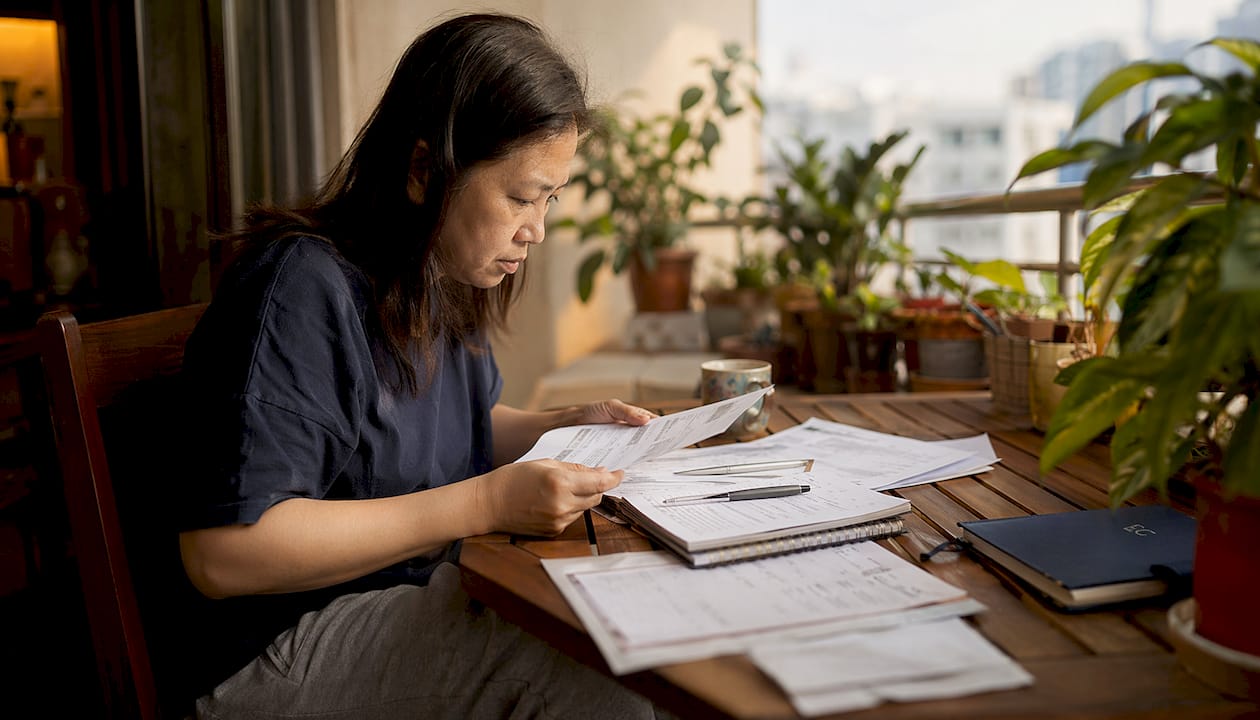
Reducing household expenses in Singapore is achievable through deliberate budgeting and targeted cost-cutting that preserves your quality of life. A typical Singapore household spends $4,500–$6,000 monthly, yet a 10% reduction alone frees up $450–$600 every month. Middle-income households that combine housing, transport, utility, and food strategies save $500–$800 monthly. That figure is not theoretical. It reflects what Singaporeans are already doing by making deliberate, incremental changes. This guide covers every major spending category with specific numbers, local context, and practical steps you can act on today.
How to reduce household expenses in Singapore with a solid budget
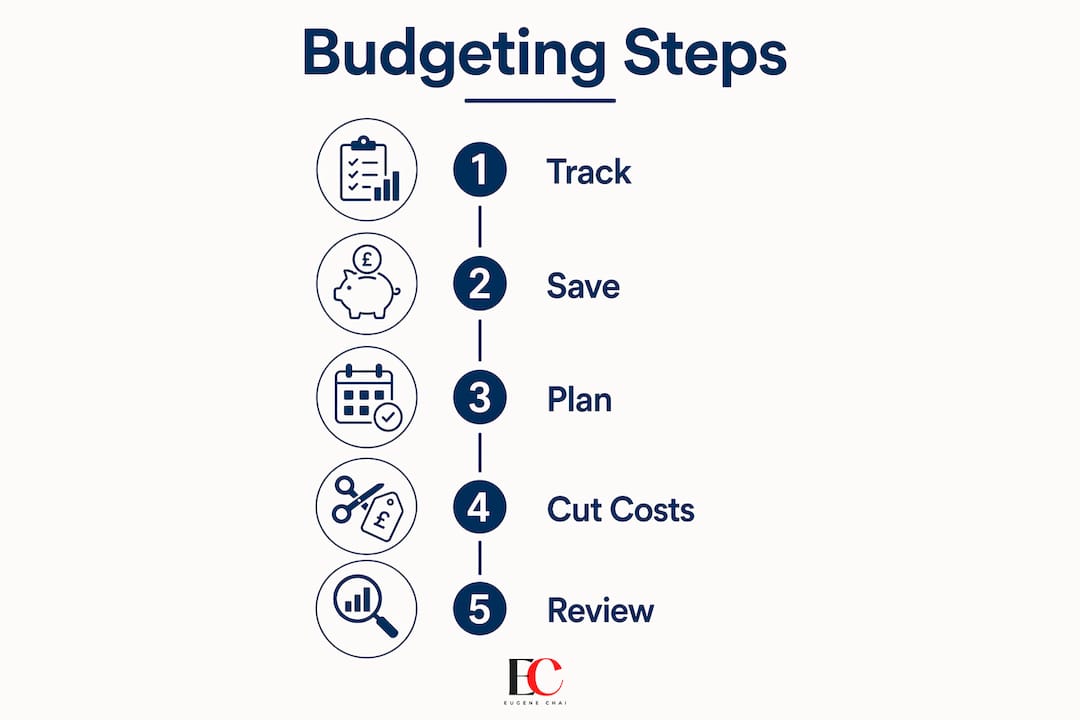
A budget is the foundation of every successful cost-cutting effort. Without tracking where your money goes, you cannot know where to cut.
The most reliable method is to record every expense for a full month, including small purchases like kopi and MRT top-ups. These minor items accumulate quickly and distort your sense of where money actually goes. A simple spreadsheet or a free budgeting app works well for this purpose.
Two frameworks suit most Singapore households:
- The 50/30/20 rule. Allocate 50% of take-home pay to needs (rent, utilities, groceries), 30% to wants (dining out, entertainment), and 20% to savings and debt repayment. This structure gives you clear permission to spend on lifestyle while protecting savings.
- Pay-yourself-first. Transfer your savings target to a separate account on payday, before spending anything. This removes the temptation to treat savings as whatever is left over at month-end.
Treating savings as fixed expenses rather than leftover money is the single most important mindset shift for building a sustainable budget. When savings compete with discretionary spending, savings lose.
An emergency fund covering 3–6 months of total household expenses is non-negotiable for two-income families. Losing one income without a buffer forces families into debt, which erases months of careful saving in weeks.
Pro Tip: If your income varies month to month, base your budget on the lowest amount you earned in the past six months. This prevents overspending in good months and keeps you stable in lean ones.
How can you cut housing and transport costs in Singapore?
Housing and transport are the two largest fixed expenses for most Singapore residents. Reducing either one creates immediate, recurring savings.
Housing: location is the most powerful lever
Renting in a well-connected heartland town rather than a central district produces the largest single saving available to most households. Moving from a central location to Jurong East, Tampines, or Woodlands can reduce monthly rent from $4,500 to $2,800 for a comparable flat. That is a saving of $1,700 per month, or $20,400 annually, while retaining full MRT access and nearby amenities.
For practical guidance on negotiating rent and choosing affordable areas, Eugenechaitf’s rent-saving strategies guide covers the current market in detail.
Key housing cost-saving actions:
- Time your lease renewal. Landlords are more willing to negotiate at renewal than mid-tenancy. Research current market rents on HDB’s portal before your renewal date.
- Consider HDB resale flats. Resale HDB flats in non-mature estates offer significantly lower rents than private condos with comparable living space.
- Share a flat. Co-tenancy arrangements in a three-room or four-room HDB flat can halve your housing cost.
Transport: the case against car ownership
A car in Singapore costs far more than most residents realise when you account for COE, road tax, insurance, petrol, and parking. Public transport via MRT and bus covers most of the island efficiently and costs a fraction of car ownership.
- Use the MRT and bus network. A monthly adult concession card or regular EZ-Link top-ups keep daily commuting costs well under $100 for most routes.
- Consider car-sharing platforms. For occasional trips requiring a car, hourly car-sharing services cost significantly less than owning a vehicle.
- Cycle for short distances. Park connector networks and dedicated cycling paths in towns like Punggol and Tampines make cycling a practical, cost-free option for short trips.
Pro Tip: For a full breakdown of transport savings by mode, Eugenechaitf’s guide on cutting transport costs compares the real annual cost of each option.
What is the best way to lower utility bills in Singapore?
Air conditioning is the largest electricity cost driver in Singapore homes. Running aircon overnight adds $150–$250 to monthly electricity bills. That single habit, if changed, produces one of the fastest utility savings available.
Practical steps to lower your electricity and water bills:
- Set your aircon to 25–26°C. Each degree below 25°C increases energy consumption measurably. A timer set to switch off after two hours of sleep reduces overnight usage without affecting comfort.
- Service your aircon every three months. A dirty filter forces the unit to work harder, consuming more electricity. Regular servicing costs $30–$50 per unit and pays for itself within weeks.
- Switch electricity providers. Singapore’s Open Electricity Market allows households to choose from multiple licensed retailers. Switching providers can save 5–15% annually on electricity bills. Compare plans on the Energy Market Authority’s price comparison tool.
- Fix leaking taps immediately. A dripping tap wastes thousands of litres annually. PUB’s water-saving tips estimate that simple fixes reduce water bills by a measurable amount each month.
- Use cold water for laundry. Heating water for a wash cycle adds to electricity consumption unnecessarily for most clothing types.
Statistic callout: Switching electricity providers through Singapore’s Open Electricity Market saves households 5–15% annually on electricity costs. On a $150 monthly bill, that is $90–$270 back in your pocket each year.
How to manage food, subscriptions, and discretionary spending
Food is the third-largest household expense for most Singapore families, and it is also the most controllable.
Eating well without overspending
Hawker centres are Singapore’s most cost-effective dining option. Two meals daily at hawker centres at $3.50–$6.00 per meal keeps your daily food budget under $15–$20. That discipline alone saves hundreds of dollars monthly compared to restaurant dining or frequent food delivery.
Batch cooking on weekends is the next most impactful food strategy. Preparing meals in bulk reduces weekday meal costs to $3–$5 per meal and saves $150–$250 monthly compared to ordering delivery regularly. The upfront time investment is two to three hours on a Sunday afternoon.
CDC vouchers, distributed by the Community Development Council, reduce grocery and dining costs at participating hawker stalls and supermarkets. Claiming and using these vouchers fully is free money that many households leave uncollected.
Subscription and discretionary spending audit
| Category | Typical monthly cost | Cost-saving action |
|---|---|---|
| Streaming services | $10–$50 | Share a family plan; cancel unused services |
| Gym membership | $50–$150 | Switch to HDB fitness corners or community centres |
| Food delivery | $80–$200 | Limit to once weekly; self-collect to waive delivery fees |
| Unused subscriptions | $80–$150 wasted | Audit recurring charges quarterly and cancel unused ones |
Pro Tip: Review your bank statement for recurring charges every three months. Most households find at least one subscription they forgot to cancel. That single habit recovers $80–$150 monthly on average.
Using a grocery-specific credit card also makes a meaningful difference. Switching from a generic 0.5% cashback card to an 8% grocery cashback card on $800 of monthly grocery spending saves $60 per month. That is $720 annually for simply using the right card.
Common budgeting mistakes Singapore households make
Most budgeting failures come from a small number of predictable errors. Recognising them early prevents months of wasted effort.
- Treating savings as optional. Savings placed at the end of the month, after all spending, rarely survive. Fix this by automating a transfer to savings on payday.
- Budgeting on average income when income varies. Households with commission-based or freelance income often budget on their best months. Basing your budget on the lowest expected income prevents shortfalls and builds resilience.
- Ignoring irregular expenses. Annual insurance premiums, MediShield Life contributions, school fees, and medical bills do not appear monthly but they are predictable. Divide their annual total by 12 and set that amount aside each month.
- Failing to stress-test the budget. Two-income households should periodically ask: “Could we manage on one income for six months?” If the answer is no, the emergency fund needs attention. Stress-testing your budget against a single-income scenario reveals gaps before a crisis does.
- Underestimating lifestyle creep. Salary increases often trigger proportional spending increases. A pay rise is an opportunity to increase savings, not just upgrade your lifestyle.
For a deeper look at building your financial literacy foundation, understanding how money works is the prerequisite to managing it well.
Key takeaways
Combining housing, transport, utility, and food strategies is the most reliable way to reduce monthly household expenses in Singapore by $500 or more.
| Point | Details |
|---|---|
| Budget before cutting | Track every expense for one month before making changes to identify real spending patterns. |
| Housing location matters most | Moving to an MRT-connected heartland town can save up to $1,700 monthly on rent alone. |
| Aircon is the biggest utility cost | Limiting overnight aircon use saves $150–$250 monthly on electricity bills. |
| Treat savings as fixed | Automate savings transfers on payday to prevent them from being spent. |
| Audit subscriptions quarterly | Unused subscriptions waste $80–$150 monthly in most Singapore households. |
My honest view on budgeting in Singapore
I have tracked my own household expenses for several years now, and the most surprising lesson was not about any single category. It was about consistency. The months where I saved the most were not the months where I made dramatic cuts. They were the months where I simply kept tracking.
Most Singaporeans I speak with know the theory. They know hawker centres are cheaper than restaurants. They know aircon costs money overnight. What stops them is not ignorance. It is the absence of a system that makes good habits automatic.
The pay-yourself-first method changed my finances more than any single spending cut. When savings leave your account on the day you are paid, you genuinely adjust to the remainder. It feels uncomfortable for the first two months, then it becomes normal.
I am also a firm believer in using what the government provides. CDC vouchers, community centre facilities, and HDB fitness corners are funded by taxes you have already paid. Not using them is leaving money on the table. Singapore’s social infrastructure is genuinely good. The residents who benefit most are the ones who actively use it.
The goal is not deprivation. It is intentionality. Spend fully on what matters to you, and cut firmly on what does not. That distinction, made clearly and revisited regularly, is what separates households that build wealth from those that simply earn and spend.
— Eugene
Practical resources from Eugenechaitf for Singapore budgeters
If you are ready to put these strategies into practice, Eugenechaitf has built a set of guides specifically for Singapore residents managing real household budgets.
The budgeting tips and tricks guide covers how to set up a monthly budget from scratch, including templates and frameworks suited to Singapore’s cost structure. For readers who want to go further, the expense tracking guide explains exactly how to monitor spending in a way that produces lasting change. Both resources are free and written specifically for the Singapore context, with no generic advice that ignores local costs, CPF contributions, or HDB realities.
FAQ
How much can a Singapore household realistically save each month?
Middle-income households that apply multiple strategies simultaneously save $500–$800 monthly. A 10% reduction in average household spending of $4,500–$6,000 produces $450–$600 in monthly savings.
What is the single biggest expense to cut first in Singapore?
Housing is the largest and most impactful expense to address. Moving from a central district to an MRT-connected heartland town like Jurong East or Tampines can reduce rent by up to $1,700 monthly.
How do I lower my electricity bill in Singapore?
Limit overnight aircon use and set the temperature to 25–26°C. Switching to a cheaper provider through the Open Electricity Market saves an additional 5–15% annually on your electricity bill.
What budgeting method works best for Singapore families?
The pay-yourself-first method works best for most families. Automate a savings transfer on payday and budget only from what remains. This prevents savings from being crowded out by discretionary spending.
Are CDC vouchers worth using for household savings?
Yes. CDC vouchers are distributed to all eligible Singapore households and can be used at participating hawker stalls, supermarkets, and heartland merchants. Claiming and spending them in full costs nothing and reduces grocery and dining bills directly.
Disclaimer: Informational only. Consult an MAS-licensed advisor before investing.






Leave a Reply